What We Learned at Our Multilingual Parenting Seminar
(And What It Means for Your Family)
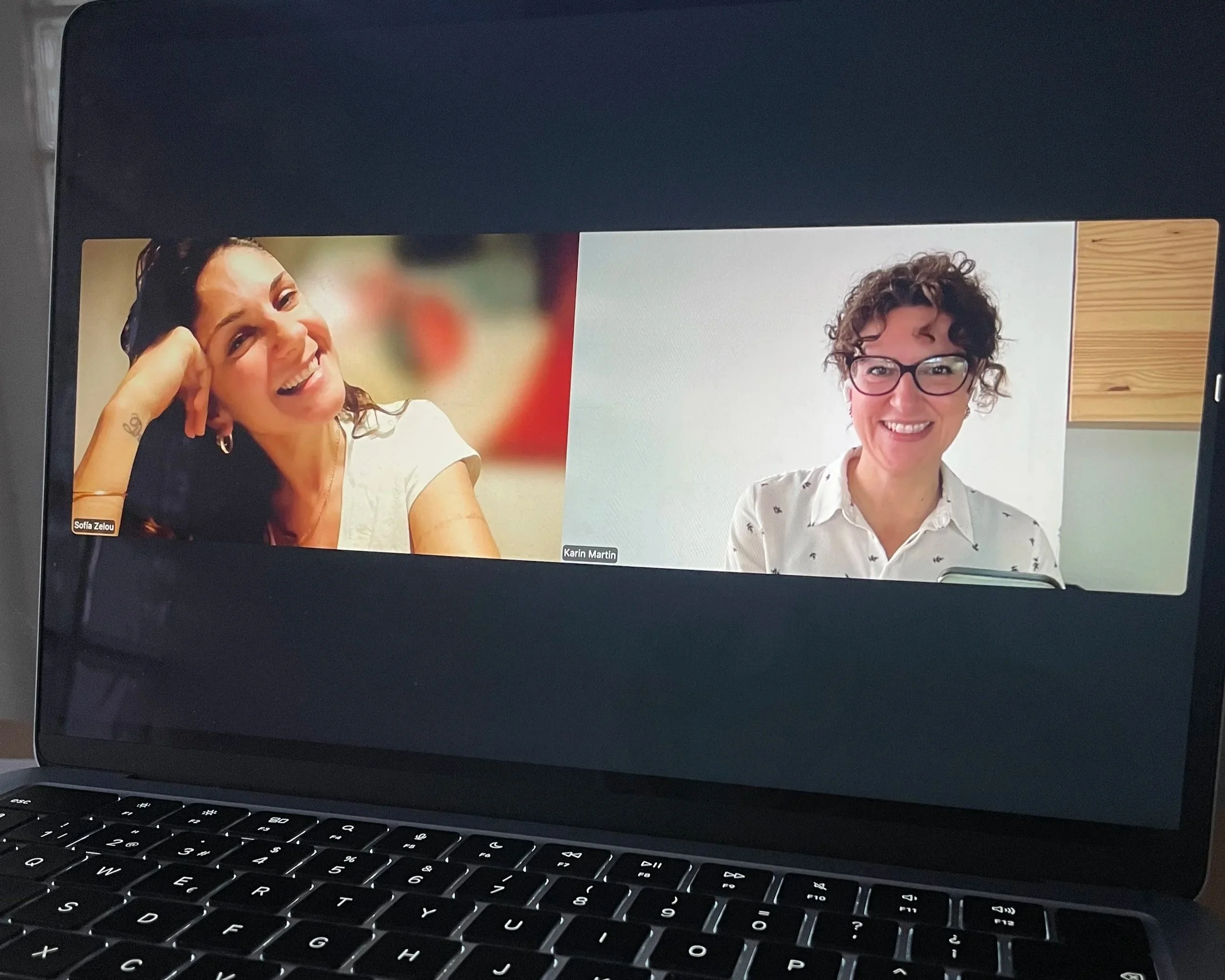
Last Tuesday, together with multilingual speech therapist Sofia Zelou, I had the pleasure of hosting the third edition of our parent seminar Multilingual Parenting: Proven Strategies for Thriving Children, and once again, I left the session reminded of just how much parents care, and how many unnecessary doubts they carry.
We were joined by families navigating questions that come up again and again:
Does bilingualism cause speech delay?
Is my child speaking late because of the languages?
Am I doing the right thing?
If you were there, thank you. Your questions and openness made the session what it was.
If you missed it, here are the key insights I want every multilingual family to have.
Multilingual Children Are Not "Two Monolinguals in One"
This is one of the most common - and most limiting - misconceptions we encounter. When parents expect their child to have balanced vocabulary across languages, perfect grammar in each, and to speak all languages from day one, they are measuring their child against a standard that simply doesn't exist.
Multilingual competence is dynamic, contextual, and constantly evolving. A child might speak one language at home, another at school, and mix both with grandparents. That is not confusion. That is multilingualism working exactly as it should.
No, Bilingualism Does Not Cause Speech Delay
Two questions came up again and again during our seminars (this was the third edition): does bilingualism cause speech delay, and do bilingual children speak later than their peers? The answer to both is the same: no. I wrote more about this common concern in my article on whether bilingual children start talking later than monolinguals.
That said, it's worth understanding where this concern comes from. Bilingual children sometimes appear to speak later than monolingual peers. But that comparison is not accurate. Children develop at different rates regardless of how many languages they hear - and in multilingual children, vocabulary is often distributed across languages, comprehension develops before production, and speaking depends on context and need.
What looks like a delay is very often simply a different developmental path.
Language Development in Bilingual Children Is Not Linear
One of the most reassuring things we discussed is also one of the least talked about: multilingual development does not follow a straight line.
You may see silent phases, language mixing, shifts in which language feels dominant, or preferences that change over months or years. Your child might understand everything but say nothing in one language for a while. This is often connected to receptive bilingualism, when a child understands a language but does not actively use it yet. They might refuse a language entirely for a period. They might switch back and forth in the same sentence.
None of this means something is wrong. These are normal, well-documented patterns in multilingual development - and recognising them for what they are can make an enormous difference to how you respond as a parent.
You Don't Need a Perfect Strategy. You Need an Intentional One.
A lot of the pressure multilingual parents feel comes from the idea that there is one right way to do this, and that if they are not doing it, they are failing.
There isn't. And they aren't.
What matters is consistency over time, meaningful interactions in each language, and realistic expectations. You need clarity about your goals, routines where languages are used naturally, and the flexibility to adjust as your family evolves. Multilingual parenting is not a fixed plan. It grows and adapts with your child.
Language Is Emotional - and That Changes Everything
Perhaps the most important thing we discussed, and the one most often overlooked: language is not just a communication tool. It is tied to identity, relationships, and belonging.
When a child speaks - or refuses to speak - a language, it is rarely only about ability. It can reflect their confidence in that moment, the social context they are in, or whether they feel emotionally safe using that language with a particular person.
This reframes the whole question. Instead of asking "how do I make my child speak this language?", the more useful question becomes: "what does my child need to feel safe and comfortable using it?"
One Thing to Take Away
Multilingual parenting is not about achieving perfect balance across languages. It is about creating opportunities, over time, for each language to grow.
There will be phases. There will be doubts. There will be adjustments. That is not a sign that something has gone wrong, it is simply part of the process.
Want to go deeper after the seminar?
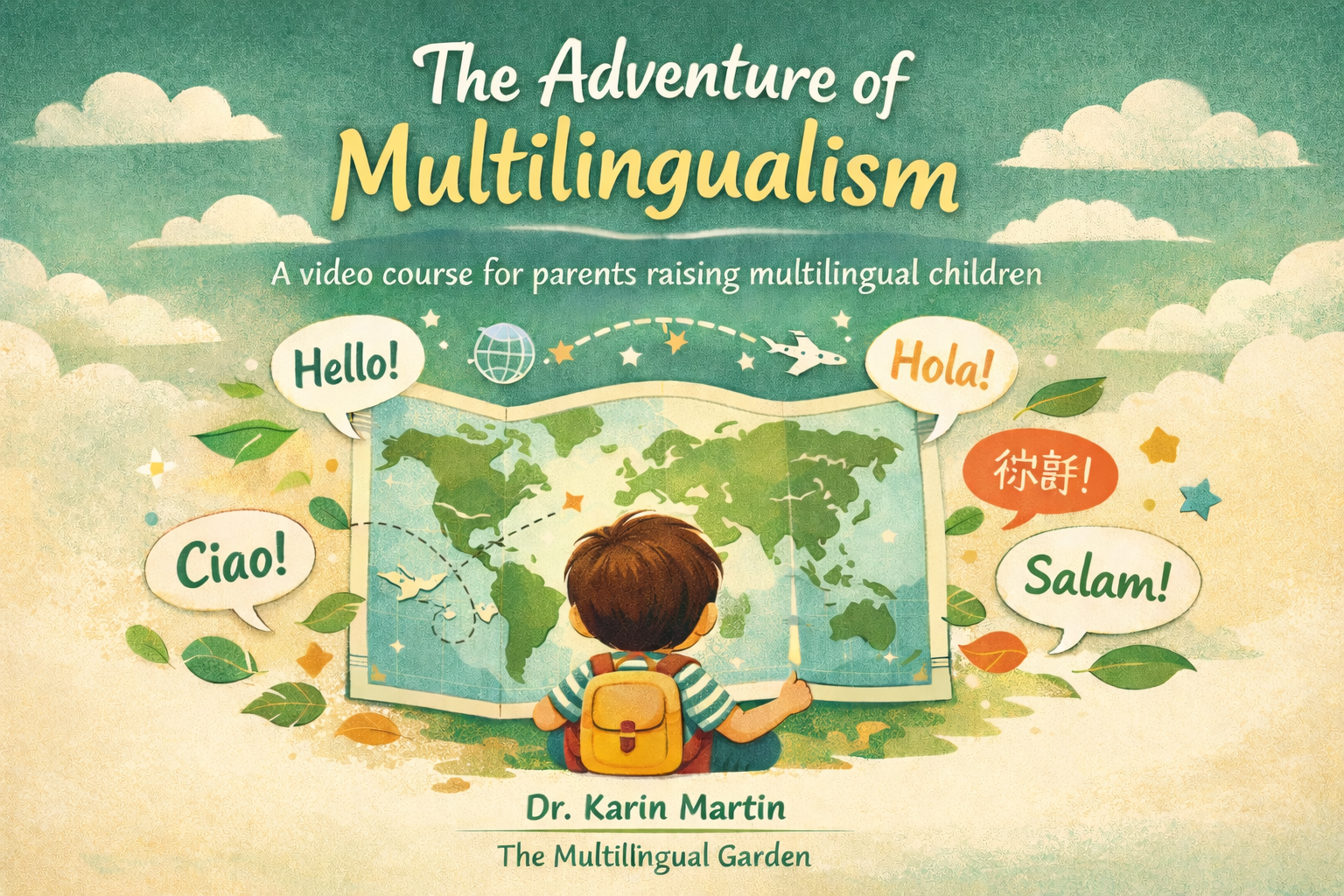
If this article raised questions for your family, my video course The Adventure of Multilingualism is the natural next step.
Across 6 weeks and 41 short lessons, you will learn how children acquire multiple languages, why common myths create unnecessary pressure, what supports healthy multilingual development, and how to build a language strategy that fits your family.
The course includes practical tools, a workbook, and guidance you can follow at your own pace.
“The course is a great mix of theory and practice, perfect for anyone who has just started exploring the topic of multilingualism.”
- Arianna, Italian mum in Germany