The €11,000 Decision: What Happens When a Child’s Language Is Taken Away
“Don’t speak German to her.”
That’s what my teacher told my mother.
And she listened.
At the time, it probably sounded like good advice. Maybe even protective. Maybe someone believed they were helping me integrate better at school, avoid confusion, or succeed academically.
But looking back today, as a multilingualism specialist and someone who has spent over a decade working with families and educators, I can say this clearly:
👉 That decision had a cost.
Not just emotional. Not just relational. As I explained in another blog post.
A very real, measurable cost.
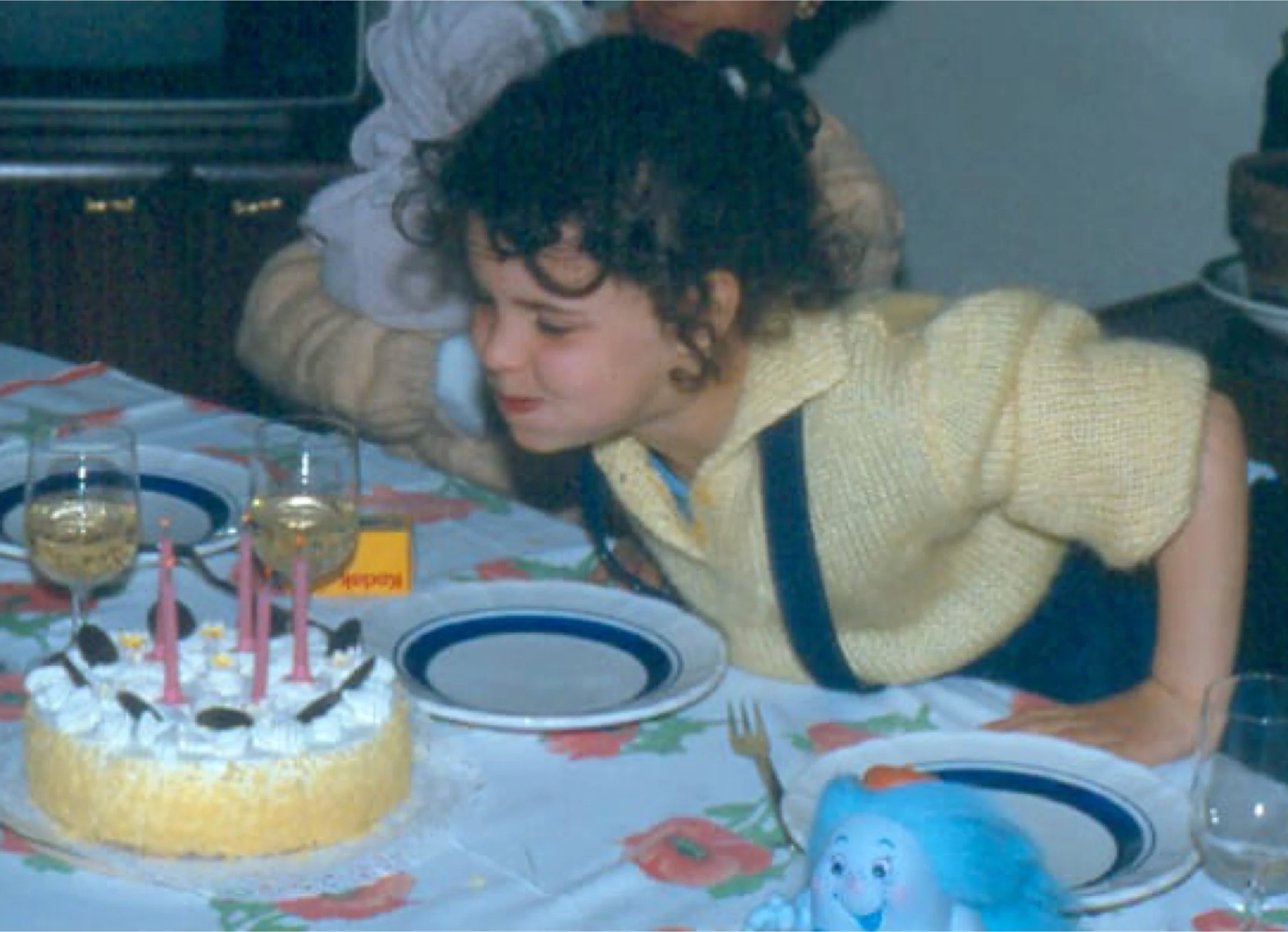
Growing Up Monolingual, But Not By Choice
I grew up in a monolingual Italian environment.
Not even dialect was spoken, it was considered rude. Everything was standardized, controlled, “correct.”
And yet, part of my family was German-speaking.
That part of my identity… was silent.
I didn’t have the words.
I didn’t have the access.
And over time, I lost something even more important:
👉 Connection.
Connection to people.
Connection to stories.
Connection to a part of myself.
For years, I carried a strange feeling I couldn’t fully explain:
👉 I felt like a “missed bilingual.”
Rebuilding a Language That Should Have Been Mine
At 18, something shifted.
I decided - on my own - to start learning German.
Not because I had to.
Because I wanted to.
I enrolled in evening courses after school. I loved it. I continued at the Goethe-Institut. I passed certifications. I studied German again at university. I spent a year in Germany during the Erasmus project. Then I went back for an internship.
At some point, I fell in love - with the language, and with a person.
I stayed in Germany. Then moved to Austria. And spent 12 years of my life there.
Coincidence?
I don’t think so.
Eventually, I took the C2 exam: the highest level. I passed.
And still… for a long time, I didn’t feel like it was enough. I have an accent.
The Financial Cost of Language Loss
Let’s talk numbers.
Because this is something we rarely do in multilingual parenting discussions.
To rebuild a language that could have been part of my life from the beginning, I spent approximately:
€1,200 on Goethe-Institut courses
€9,500 on university tuition, books, and materials
€500 on certifications
👉 Total: over €11,000
And this doesn’t include:
Time (years of study)
Missed opportunities
The invisible weight of “catching up”
The Hidden Cost Families Don’t See
When we talk about language choices in families, we often focus on short-term concerns:
“Will it confuse the child?”
“Will they fall behind at school?”
“Is one language enough?”
But we rarely talk about the long-term consequences.
The truth is:
👉 Not supporting a heritage language also has a cost.
A cost in identity.
A cost in relationships.
A cost in effort later in life.
Multilingual Parenting Is a Long-Term Investment
In my work with families, I often say:
👉 Multilingual parenting is not about quick results. It’s about long-term impact.
Children don’t just “learn languages.”
They build:
Emotional connections
Cultural awareness
Cognitive flexibility
Identity layers
These are part of the benefits of bilingualism - but they don’t happen automatically.
They require intention.
They require consistency.
They require awareness.
The Benefits of Bilingualism Go Beyond Language
Research has shown that bilingual and multilingual individuals often develop:
Stronger problem-solving skills
Greater cognitive flexibility
Enhanced empathy and perspective-taking
Better ability to navigate different social contexts
But in my experience, one of the most powerful benefits is this:
👉 The ability to belong in more than one world.
And that’s something I had to rebuild, step by step.
Heritage Language Maintenance Is About More Than Words
When we talk about heritage language maintenance, we’re not just talking about vocabulary or grammar.
We’re talking about:
Talking to grandparents without translation
Understanding family humor
Feeling at home in different cultural spaces
Carrying stories across generations
When a language disappears, these things become harder, or disappear too. I wrote more about this in my article on heritage language maintenance, especially why family languages are deeply connected to identity, belonging, and intergenerational relationships.
What I Tell Parents Today
When parents come to me and ask:
“Should I speak my language to my child?”
My answer is simple:
👉 Yes.
Not because it’s easy.
Not because it’s trendy.
But because it matters.
And because I’ve seen what happens when that opportunity is lost.
Making Peace With My Story
Today, I’ve made peace with my journey.
I no longer feel like I have to “catch up.”
German is part of me now, but it came through effort, not inheritance.
And maybe that’s why I do the work I do today.
Because I don’t want other children to feel like “missed bilinguals.”
A Final Reflection
If you are navigating multilingual parenting, and you’re unsure, overwhelmed, or receiving conflicting advice, I invite you to pause and ask yourself:
👉 What do I want my child to have access to in 10, 20, 30 years?
Language is not just a tool for communication.
It is:
Memory
Identity
Connection
Possibility
And sometimes, the cost of losing it is much higher than we think.
Are you unsure whether to keep speaking your language to your child?
If you are wondering whether your family language still matters, whether it is “worth the effort”, or whether your child will really need it in the future, you don’t have to make that decision alone.
In a multilingual family consultation, we can look at your child’s language exposure, your family context, your emotional concerns, and your long-term goals.
Together, we can create a realistic plan that protects connection, reduces pressure, and supports your child’s multilingual journey with more clarity.