Moving to Barcelona with children means navigating a new city, a new school system, and often a new language environment too.
For this guest post, Anya from My Barcelona School shares practical answers to some of the questions international families ask most often when choosing a school in Barcelona.
Here’s what families should know before starting their school search.
What are the most common mistakes international families make when choosing a school in Barcelona?
In Barcelona the most common mistake that families make when choosing a school is assuming that the language of instruction in educational settings will be Spanish. In the case of public (state) schools and the ‘semi-private’ concertades, this is not the case. Catalan is the vehicular language and is usually used for all non-language classes. There are some exceptions to this, but is generally the case in all local schools.
Families then assume that Spanish language immersion can then be found in private schools but this is also not possible since languages such as English or French are more commonly used as the main language of instruction. Spanish will be heard on the playground and will be very prevalent in the social lives of the children, but will not be the main instructional language.
As a family moving to Barcelona, what are the different school types?
There are three different types of school in Barcelona. Public (or state) schools are owned and run by the local education authorities. Tuition is free although there is a small annual fee for excursions and other costs. The main language of instruction is Catalan with Spanish and English taught as language subjects from 1st grade (when children turn 6 years old). Public schools are secular.
Concertades are local private schools that have government subsidies so the costs are much lower than fully (non-government subsidised) private schools. The main language of instruction is also Catalan although some concertades introduce Spanish and English earlier and may teach more of it than the public schools. Some concertades are Catholic, but not all.
Finally we have private schools, which are fully funded by families and have no government subsidies although they still need to be authorised by the local education authorities. Within this sector there are local private schools that follow the same curriculum as the public schools and concertades (and usually use Spanish and Catalan as vehicular languages) but also international schools that follow the curriculum of another country.
The main teaching languages in international private schools is often English but can be a host of other languages such as German and French amongst others. There are also private schools offering an ‘alternative’ methodology such as Montessori and Waldorf.
How does the admissions process work if we arrive in Barcelona after the normal application period or in the middle of the school year?
Private and international schools can be applied for all year round and applying early can be beneficial. It is best to contact the school you are interested in as soon as possible to see if they have places available and confirm the application process (each school is different). The time between applying for a place and having a place confirmed at a private school can vary greatly between schools.
The usual time to apply for a local public school or concertada is in March but it is still possible to get a school place if you arrive mid year. The process is slightly different and may involve a visit to the education department, while the process in March can be done online. To read up more about midyear entry, this post is useful.
How early should families start looking for a school before moving to Barcelona?
As with anything, big decisions are never best done in a rush but there are certain factors that will affect how early you can start. Private schools will be happy to engage with you at any point and there may be an advantage to starting early, especially if it is a popular school. Public schools do not usually offer visits to interested families outside of the official application period so February is the usual time to visit. Concertadas do often offer visits outside of the application period but with the application period being in March and the list of places being available only being published at the beginning of that month, there may be no point starting more than a couple of months previous to that.
What documents do families usually need for school applications and enrolment?
The documents needed for applying for a public school or concertada are:
The parent and children’s IDs
Your child’s birth certificate
The empadronamiento, a document proving your address in Barcelona. This document needs to have at least one of the parents and the child or children’s names on it.
For enrollment, schools ask to see the child’s vaccination records and proof of public health coverage (or private health insurance). I also suggest gathering together any medical information (such as serious allergies), recent school reports and special needs diagnoses, in case it is asked for.
Documents needed for private school applications are similar to the public school application but an empadronamiento is not needed. Each private school has its own application process requirements so be prepared to potentially provide additional information or documentation.
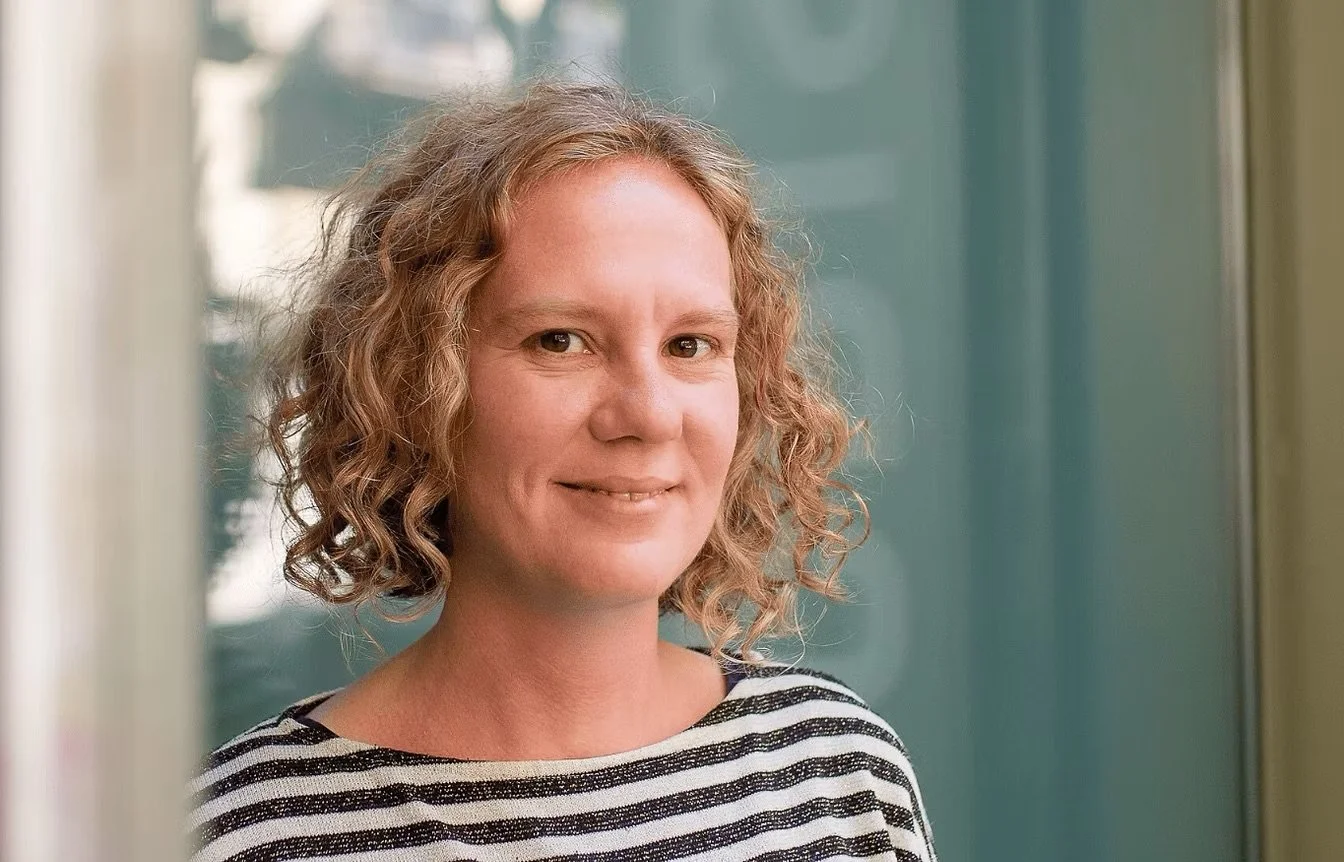
My Barcelona School
My Barcelona School is a service for families looking for schools and preschools for their children in Barcelona. Anya is an experienced teacher from the UK who has been living in Barcelona since 2011. She is also a mother of two school-aged children who has personally gone through the process of choosing a school for her children in a country she was not born in. She brings over 7 years of experience to the role, having worked with hundreds of families to find and apply for both local and international schools in the city.
To learn more about what Anya does you can look at her website: www.mybarcelonaschool.com or book yourself a free Intro Call here.