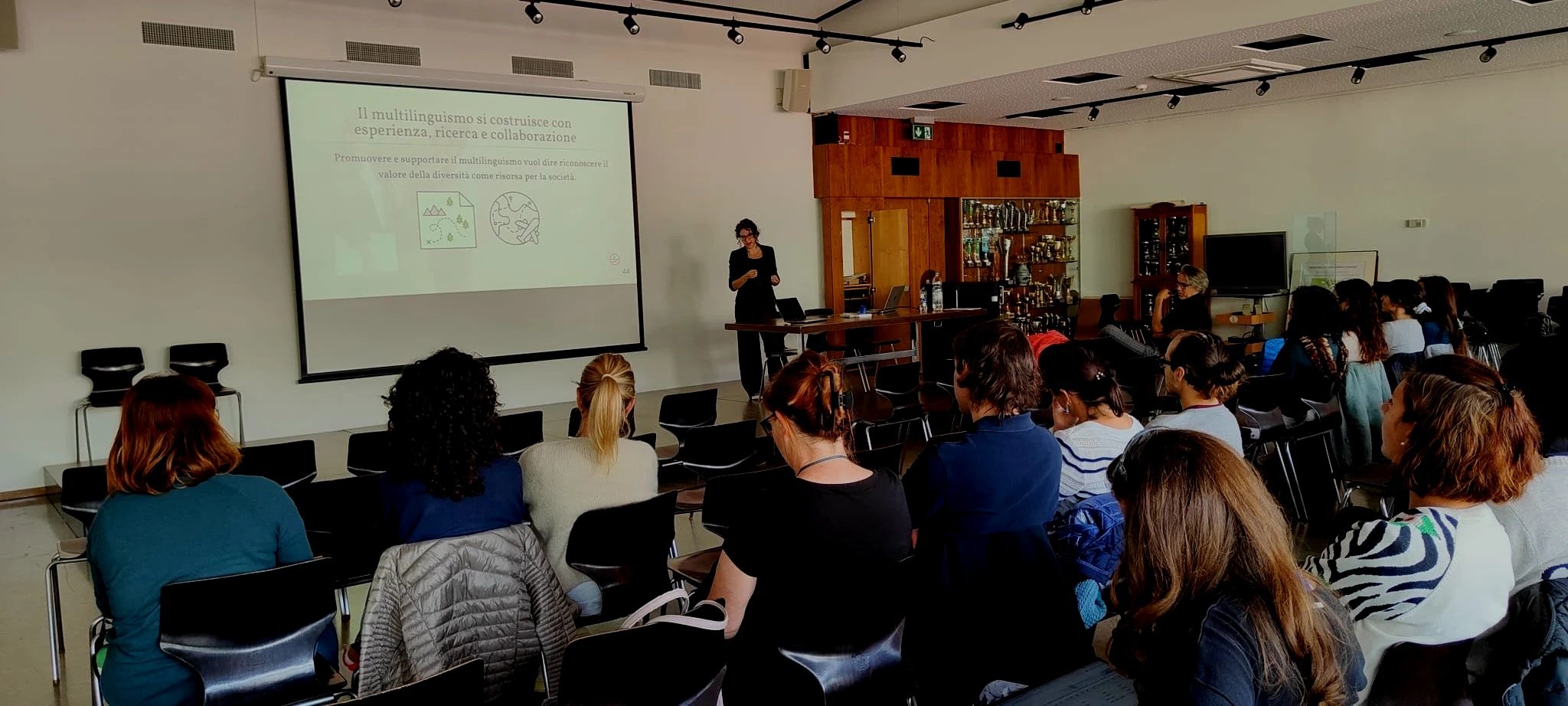
Multilingualism training for schools
Support multilingual learners. Strengthen the connection between school and home.
Your learners bring more than one language into the classroom and more than one way of expressing what they know.
I help teachers and school leaders understand multilingual development, question common assumptions, and turn language awareness into practical decisions in classrooms and conversations with families.
Together, we can create a learning environment where children's languages are recognised and their participation is supported.
When familiar questions need a clearer response
A child understands the school language but says very little. How can we support participation without adding pressure?
A learner speaks confidently with friends but struggles to explain their thinking in class. What support might they still need?
Parents ask whether they should stop speaking their home language. How can the school respond constructively?
Some languages are celebrated while others remain invisible. What message does this send to learners and families?
Staff want to support multilingual learners but have different views on how to do it. Where can we begin?
Training gives your team space to explore these questions through research, discussion, and situations drawn from your school context.
What we can work on
-
Explore how children use and develop languages across different settings, why their skills may differ between languages, and how to respond to language mixing or understanding more than they say.
-
Build clearer conversations about home languages, expectations, and school transitions. Develop shared messages that help families make informed decisions without unnecessary pressure or guilt.
-
Recognise the influence of language prestige, accent bias, and everyday assumptions. Explore practical ways to make the languages of your school community visible and valued.
-
Explore common misconceptions about multilingualism and learners with different learning profiles, including dyslexia. Discuss how educators can communicate thoughtfully with families and relevant specialists when concerns arise.
-
Reflect on how school messages, staff communication, and language expectations shape participation and belonging. Identify a small number of priorities your team can put into practice.
Choose a format that fits your school
Parent talks and webinars
Accessible sessions that help families understand multilingual development and navigate the relationship between home and school languages. Selected sessions can include invited expert colleagues where appropriate.
Tailored training programmes
A connected series of sessions for schools that want to develop a shared approach over time, with opportunities to reflect on practice and revisit emerging questions.
Training can be delivered online or in person, in English, Italian, Spanish, or German. Content, duration, and fees are agreed according to your school's needs.